
Edmonton homeowner guide
How to Get Rid of Mice in Your House
A practical, step-by-step guide for Edmonton-area homes: confirm it's mice, clean up droppings safely, trap the mice already inside, and seal the gaps so they don't come back next fall.
5.0 from 100 Google reviews (as of October 2026) · Local Edmonton team
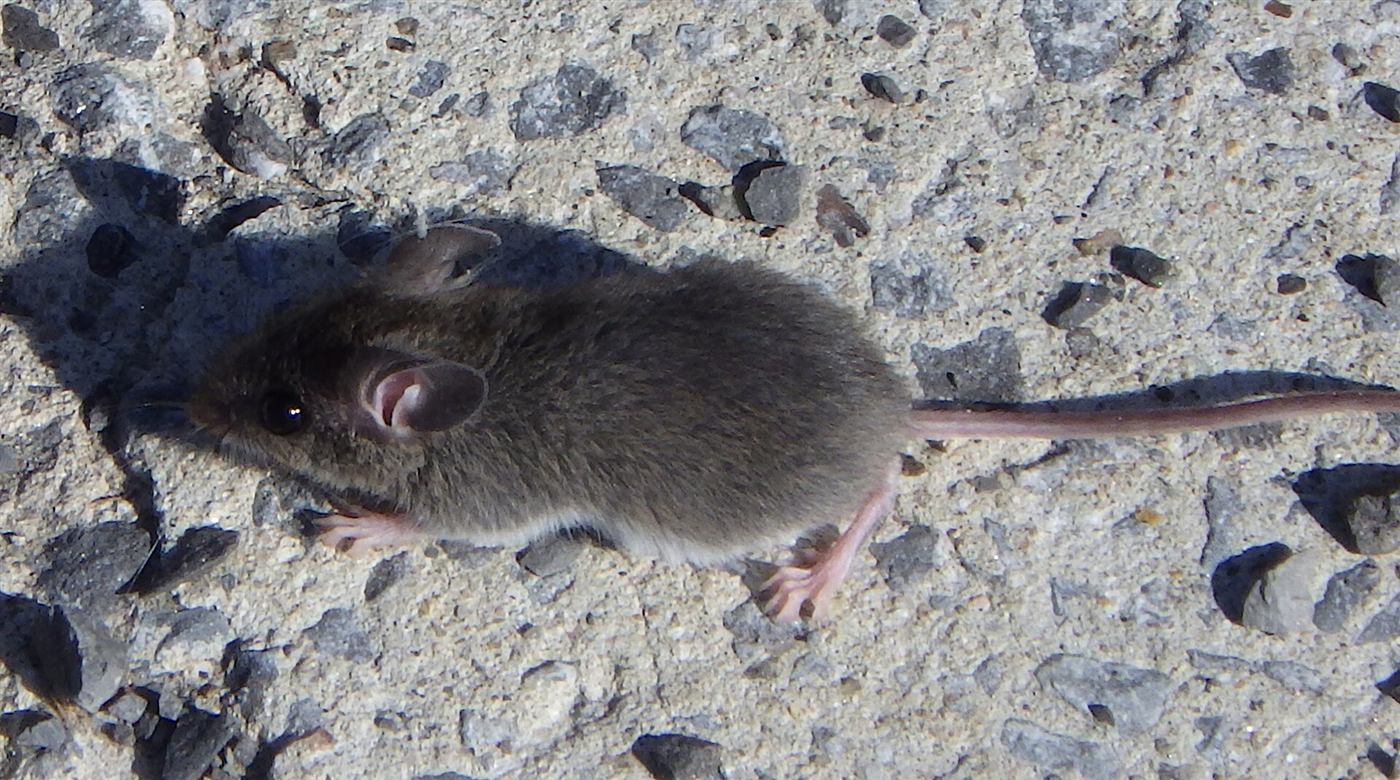
How do you get rid of mice in a house?
To get rid of mice, confirm the signs, clean up droppings safely, set snap traps along walls where mice travel, and seal every gap they can use to get in. Trapping removes the mice already inside. Sealing is what stops new ones following them.
In Edmonton, mouse problems follow the weather. When overnight temperatures drop in September and October, mice in fields, ravines and yards look for warmth. They find it in basements, attached garages, attics and wall cavities. Homes that back onto green space or farmland, as in Windermere, Summerside, Spruce Grove or Sherwood Park acreages, often notice it first, but mature neighbourhoods with older foundations get plenty too.
This guide covers what you can do yourself. If you'd rather hand it off, see our mice exterminator service in Edmonton.
What are the signs of mice in your house?
The most common signs of mice are small dark droppings about the size of a grain of rice, gnawed food packaging, scratching in walls or ceilings at night, shredded paper or insulation nests, and a musty, ammonia-like smell in cupboards or the basement.
- Droppings: 3–6 mm, dark, pointed at the ends. Check under the kitchen sink, behind the stove and fridge, in the pantry, along basement walls and in the furnace room.
- Gnaw marks: chewed corners on cereal boxes, bags of pet food or birdseed, and sometimes wiring or drywall.
- Sounds: scratching or scurrying in walls, ceilings or under floors, most noticeable at night.
- Nests: balls of shredded paper, fabric or insulation in storage boxes, drawers, behind appliances or in the garage.
- Grease marks: faint dark smudges along baseboards and around holes where mice repeatedly squeeze through.
- Pets acting strangely: cats or dogs staring at, sniffing or pawing at one spot on a wall or under an appliance.
Seen something bigger than a mouse? Alberta is officially rat-free. If you think you've seen a rat, report it to Alberta Agriculture at 310-FARM (3276) instead of dealing with it yourself.
House mouse or deer mouse: does it matter?
Yes. The house mouse is the most common indoor mouse in Edmonton homes. The deer mouse, more common in garages, sheds, cabins and homes near fields, can carry hantavirus, so its droppings need extra care during clean-up.
| House mouse | Deer mouse | |
|---|---|---|
| Colour | Greyish-brown all over, lighter belly | Brown on top with a sharply white belly and white feet |
| Tail | Long, almost hairless, single colour | Distinctly two-toned: dark on top, white underneath |
| Where found | Inside homes: kitchens, walls, basements | Garages, sheds, crawlspaces, cabins, acreage buildings |
| Health note | Contaminates food and surfaces | Can carry hantavirus. Never sweep or vacuum its droppings |
How do you clean up mouse droppings safely?
Ventilate the area, wear rubber gloves and a mask, soak the droppings and nesting material with disinfectant or a bleach-and-water solution, wait several minutes, then wipe up with paper towels and bag everything. Never sweep or vacuum droppings, because that puts particles into the air.
- Air it outOpen doors and windows for at least 30 minutes before you start, especially in sheds, cabins and closed-up garages.
- Protect yourselfWear rubber or disposable gloves and a well-fitting mask, and keep kids and pets out of the area.
- Soak, don't sweepSpray droppings, urine spots and nests with a household disinfectant or a bleach-and-water mix until thoroughly wet, then wait about 5 minutes.
- Wipe and bagPick up the wet material with paper towels, put it in a plastic bag, seal it, and place it in the garbage.
- Disinfect and washWipe down the surfaces again, wash gloves before taking them off, then wash your hands well.
Hantavirus: Alberta Health reports that deer mice in Alberta can carry hantavirus, a rare but serious illness spread by breathing in particles from droppings, urine or nests. For large clean-ups, such as a cabin, a crawlspace or a garage full of nesting, consider calling a professional. If you get flu-like symptoms after cleaning up after mice, contact Health Link at 811.
How do mice get into Edmonton homes?
Mice can squeeze through a gap about the width of a pencil (roughly 6 mm). In Edmonton homes they most often get in under garage doors, around utility penetrations for gas, water and cable, through dryer and exhaust vents, and through cracks where the foundation meets the siding.
Walk around the outside of your home with a flashlight and check:
- Garage door seals: the rubber weather-strip at the bottom of an overhead door gets chewed or flattened over time. Daylight under the door means mice can get in.
- Pipes, wires and cables: where gas lines, outdoor taps, A/C lines and cable or internet wires go through the wall.
- Vents: dryer vents with missing or broken flaps, bathroom and kitchen exhaust vents, and attic or soffit vents with damaged screens.
- Foundation and siding: cracks, gaps where siding meets the foundation, and openings around basement windows and window wells.
- Doors: worn sweeps on exterior doors and the door between the garage and the house.
How to seal mouse entry points
Pack small gaps tightly with steel wool or copper mesh, then seal over it with an exterior-grade sealant or caulking. Mice chew through foam, caulking or plastic on their own. Replace worn garage door bottom seals and door sweeps, and fit vents with metal covers or hardware cloth. Seal before you finish trapping, or new mice keep replacing the ones you catch.

What is the best way to trap mice?
Snap traps baited with a pea-sized dab of peanut butter, placed flat against walls where you've found droppings, are the most reliable DIY method. Use several traps, not one, and check them every day.
- Place traps along walls: mice run along edges, not across open floors. Set the trigger end against the wall.
- Use more traps than you think: for a kitchen, start with 6–12 traps spaced a metre or two apart near droppings.
- Bait lightly: a small amount of peanut butter, chocolate spread or oats. Too much lets mice lick it off without setting the trap off.
- Keep them away from kids and pets: put traps inside cabinets, behind appliances or in tamper-resistant trap boxes.
- Remove food sources: store pantry food, pet food and birdseed in sealed plastic or metal containers so the bait is the most attractive option.
- Check daily and handle caught mice with gloves, following the clean-up steps above.
Why poison inside the house is a bad idea
Mice that eat poison don't drop dead beside the bait. They usually crawl back into walls, ceilings or under floors and die where you can't reach them. The result is a strong odour for weeks and, often, flies. Loose poison is also a risk to pets and children. Professionals use tamper-resistant bait stations, mainly outside or in controlled areas, as part of a plan that includes sealing.
When should you call a mice exterminator?
Call a professional if you're still catching mice after two weeks, you hear them in walls or ceilings, droppings show up in several rooms, you can't find the entry points, or you're dealing with deer mice in a garage, crawlspace or cabin.
A professional mouse treatment includes a full inspection of the foundation, garage, attic and utility areas, trapping or tamper-resistant baiting, sealing entry points, and a follow-up visit to confirm activity has stopped. In the Edmonton area, typical prices for a house fall roughly between $200 and $650, depending on how established the problem is and how much sealing is needed. See our Edmonton pest control price guide.
We treat mice across Edmonton and nearby communities, including St. Albert, Sherwood Park and Spruce Grove. Call (780) 262-3335 and we'll tell you honestly whether it's a DIY job or one for us.
Mice control near you
If DIY isn't working, Alberta Pest Services handles mice across Edmonton and the surrounding communities. Each local page explains what we see most often in that area.
Written and reviewed by the Alberta Pest Services team in Edmonton · Last updated October 2026
Frequently asked questions
What is the fastest way to get rid of mice in the house?
Set several snap traps baited with peanut butter along walls where you see droppings, check them daily, and seal the entry points at the same time. Trapping without sealing only removes the mice that are already inside; more will follow the same route.
What attracts mice to my house in Edmonton?
Warmth and food. Mice move indoors in Edmonton as nights get cold in September and October. Open pet food, birdseed, pantry goods in paper or cardboard, and clutter in garages and basements give them food and nesting spots.
Do mice repellents work?
Not reliably. Ultrasonic plug-in repellents, peppermint oil and similar products may make mice avoid a spot for a short time, but they don't remove mice that are already inside or stop new ones finding a way in. Sealing entry points with steel wool, metal mesh and caulk, plus snap traps along the walls, is what actually solves the problem.
Do mice leave on their own?
Rarely. Once mice find warmth, food and shelter they settle in and breed. A female can have several litters a year, so a couple of mice in October can become a much larger problem by spring.
Is it safe to vacuum mouse droppings?
No. Alberta Health advises against sweeping or vacuuming droppings, because it can put particles into the air. That matters most with deer mice, which can carry hantavirus. Soak droppings with disinfectant or a bleach solution first, then wipe them up with paper towels while wearing gloves.
Why shouldn't I use poison inside the house?
Mice that eat poison often die inside walls, ceilings or under floors where you can't reach them, which causes a strong odour for weeks and can attract flies. Inside living spaces, traps are usually the better choice. Professionals use tamper-resistant bait stations, mainly outdoors or in controlled areas.
When should I call an exterminator for mice?
Call a professional if you're still catching mice after two weeks, hear them in the walls or ceiling, find droppings in several rooms, have deer mice in a cabin, garage or crawlspace, or can't find where they're getting in.
Related
“Great service, fair pricing, and excellent results.”