
Ant & carpenter ant control
Ant Control in Edmonton
Trails of small ants across the kitchen counter, tiny pharaoh ants in an apartment, or big black ants and sawdust near a window frame? We identify which ant you have, trace it to the colony and treat it where it lives, not just the ants you can see.
5.0 from 100 Google reviews (as of October 2026) · Local Edmonton team
Which ants are in my Edmonton home?
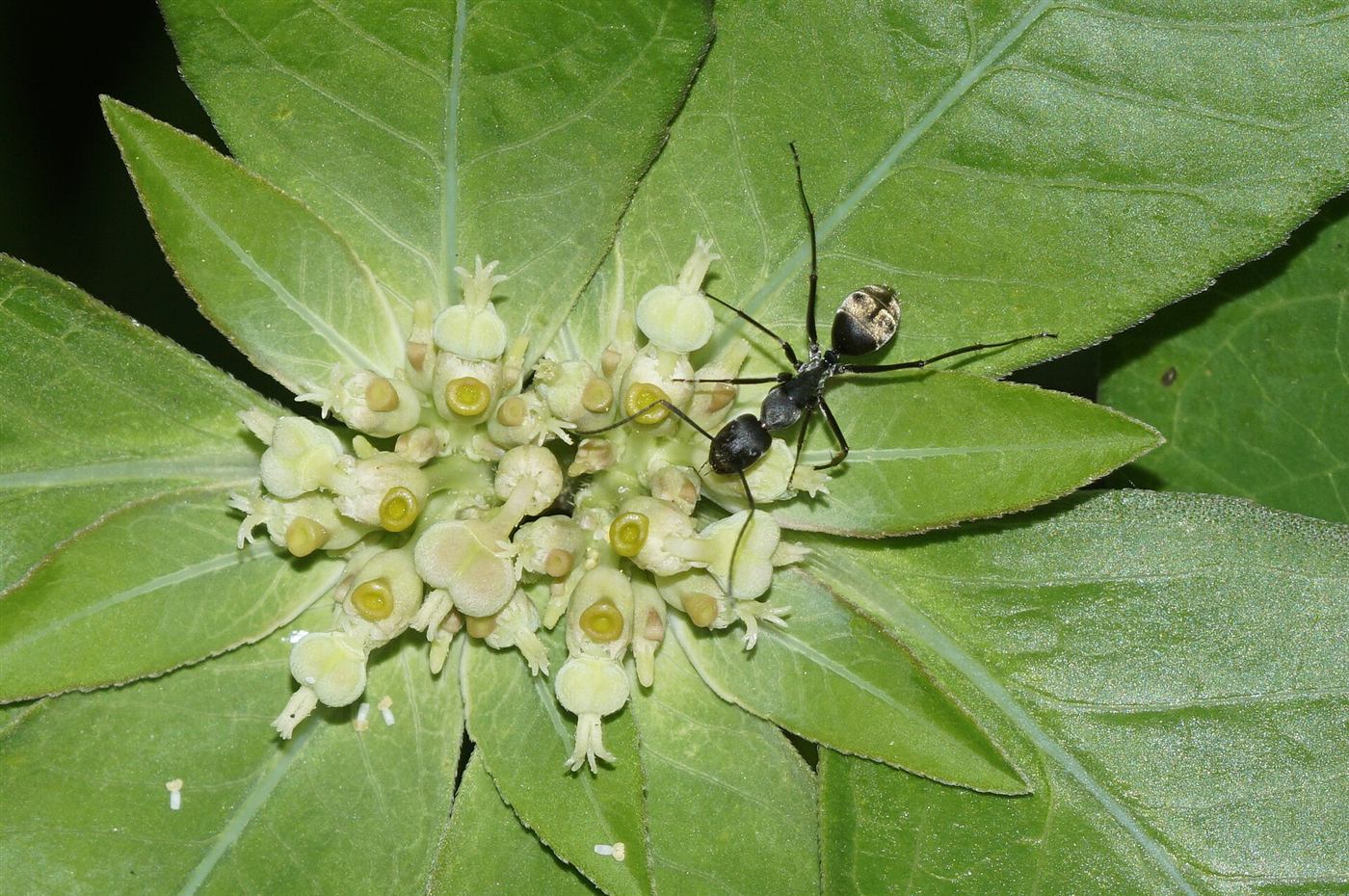
Most ant calls in Edmonton involve one of two groups: small pavement and odorous house ants that trail across kitchens looking for food, and large black carpenter ants that nest in damp wood. They need different treatments, so identification comes first.
Pavement ants nest under driveways, patios and foundation slabs and come in through cracks in the basement floor or along sill plates. They're especially active in May and June, when Edmonton's soil warms up. Odorous house ants leave a rotten-coconut smell when crushed and often nest in wall voids near moisture.
Carpenter ants are the ones to take seriously. They don't eat wood, but they excavate it to build nests, usually in wood that's already damp from a leaking roof, an ice dam, a bathroom leak or condensation around windows. Older homes in neighbourhoods like Highlands, Westmount and Bonnie Doon, and cottages and acreages with wood piles and old decks, see them most.
Pharaoh ants in Edmonton apartments and condos
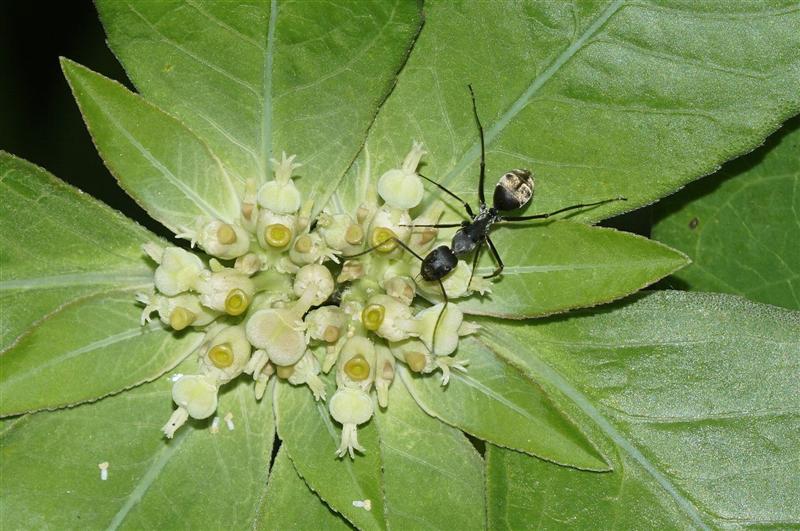
Pharaoh ants are tiny (about 2 mm), pale yellow to light-brown ants that live entirely indoors in heated buildings. In Edmonton they're mostly a problem in apartments, condos, care homes and other multi-unit buildings, where colonies nest in warm wall voids and spread between suites along plumbing and wiring.
You'll usually notice them as thin trails of very small ants in a kitchen or bathroom, around sinks, counters, pet bowls and bathroom fixtures. Unlike pavement ants, they don't come in from outside in spring, so you can see them any month of the year, including the middle of winter.
Don't spray pharaoh ants. A pharaoh ant colony has many queens, and disturbing it with sprays or cleaners can make it split into several new colonies, a process called budding. Health Canada warns that spraying indoor trails can cause a colony to split, and recommends baits instead. Slow-acting baits that workers carry back to the nest, placed throughout the suite and ideally in neighbouring units too, are the reliable way to eliminate them.
Are there termites in Edmonton?
No. Edmonton doesn't have termite infestations because of its climate. When homeowners find hollowed wood and think "termites", it's almost always carpenter ants.
That matters because the treatment is completely different. Carpenter ant control means finding the main nest and any satellite nests, treating them directly, and fixing the moisture problem that made the wood attractive in the first place. Be cautious of anyone selling termite treatment in the Edmonton area.
Signs of carpenter ant damage
The clearest signs of carpenter ants are large black ants indoors in spring, winged ants near windows, small piles of coarse sawdust (frass) below wood, and faint rustling in walls. Damaged wood has smooth, clean galleries, not mud-filled tunnels.
- Frass (sawdust mixed with insect parts) under baseboards, window frames, decks and door trim
- Winged ants swarming indoors in late spring, which usually means a mature nest inside
- Ants appearing from the same spot every spring, often near a bathroom, kitchen or skylight
- Soft or hollow-sounding wood around past leaks, ice-dam damage or rotting deck posts
Carpenter ants almost always point to moisture. In Edmonton that's often ice dams on the roof in winter, condensation on poorly insulated window frames, or decks and fence posts sitting in wet soil. Fixing that moisture is part of the treatment.
Ant season in Edmonton
Ants start foraging indoors as soon as the ground thaws, usually in April. They peak in May and June, then ease off through July and August as colonies shift to outdoor food. Carpenter ant swarms are most common in late spring. Treat early in the season, before colonies grow.
How we treat ants
We identify the species, follow the trail back to the colony, and treat the colony with baits or targeted treatments. Then we show you which cracks, gaps and moisture issues to fix so ants don't return next spring.
- Identify the antPavement ants, odorous house ants and carpenter ants each need a different product and placement.
- Trace the colonyWe follow foraging trails to find the entry points and, where possible, the nest. That includes checking for frass, damp wood and nesting sites in decks and fences.
- Treat at the sourceWe place baits workers carry back to the colony, plus targeted crack-and-crevice and perimeter treatments where needed. Products are registered with Health Canada's PMRA and applied according to the label.
- PreventWe point out foundation cracks, gaps under door sweeps, wood touching soil and moisture sources to fix.
Will ants come back after treatment?
Ants can return next spring if the colony survives outside or entry gaps stay open. Treating the colony with baits and sealing cracks and gaps greatly reduces repeat problems, and seasonal programs keep them in check year to year.
After a bait treatment, it's normal to see more ants for a few days as workers collect the bait and carry it back. Activity then drops sharply as the colony is affected. Pavement ant colonies under patios and driveways are long-lived and widespread in Edmonton neighbourhoods, so a new colony can move in later. That's why sealing the gaps along sill plates, slab cracks and door thresholds matters as much as the treatment itself.
How much does ant control cost in Edmonton?
Typical market prices for ant control in an Edmonton home range from about $150 to $350 for pavement or house ants. Carpenter ant treatments that involve finding nests in walls, decks or attics typically cost more.
Seasonal programs that cover ants, spiders and other summer pests are popular with homeowners who get ants every May. See typical pest control prices in Edmonton, or call (780) 262-3335 for an exact quote.
Tips while you wait for treatment
- Wipe up crumbs and sugary spills, and keep pet food bowls clean
- Don't spray trails with store-bought ant killer if baits are coming. It stops ants carrying bait back to the colony.
- Trim shrubs and branches touching the house, and keep firewood away from the walls
- Fix leaks and condensation that soften wood around windows and in bathrooms
Ants often show up alongside spiders in summer, since spiders follow the insects they eat. We treat ants across the region, including Spruce Grove and St. Albert.
Where we offer ant control
We cover all of Edmonton and these nearby communities: ant control in St. Albert · ant control in Sherwood Park · ant control in Spruce Grove · ant control in Stony Plain · ant control in Leduc · ant control in Beaumont · ant control in Fort Saskatchewan.
Want to read up first? See our guide: House centipedes, carpet beetles and other house bugs.
Written and reviewed by the Alberta Pest Services team in Edmonton · Last updated October 2026
Frequently asked questions
Are there termites in Edmonton?
No. Edmonton's cold climate means there are no termite infestations in the city. Wood damage people suspect is termites is almost always carpenter ants, which hollow out damp or softened wood to build nests. If you see large black ants and fine sawdust-like debris near wood, call for an inspection.
How much does ant control cost in Edmonton?
Typical market prices for ant control in Edmonton range from about $150 to $350 for pavement ants in a house. Carpenter ant treatments that involve locating nests in walls or decks typically run higher. Seasonal programs are also available from many providers. Call (780) 262-3335 for an exact quote.
Why do ants keep coming back every spring?
Ant colonies live outside in soil, under slabs and in landscaping, and send foragers indoors when the ground warms in May and June. Killing the trail inside doesn't affect the colony. Long-term control means treating the colony and sealing the cracks and gaps ants use to get in.
How can I tell if I have carpenter ants?
Carpenter ants are large, usually black, about 6 to 13 mm long. Signs include ants inside in spring, winged ants near windows, and small piles of coarse sawdust called frass below baseboards, window frames or deck boards. They prefer wood softened by moisture from leaks or condensation.
How do I get rid of pharaoh ants?
Use baits, not sprays. Pharaoh ants have many queens per colony, and spraying or wiping trails with cleaners can make the colony split into new colonies in other rooms. Slow-acting baits carried back to the nest work best, placed throughout the unit and, in apartment buildings, in neighbouring suites as well.
Are ant treatments safe for pets?
We use products registered with Health Canada's PMRA and apply them according to the label, often as baits or targeted crack-and-crevice treatments rather than broad spraying. Before the visit we tell you exactly how to keep pets and children away from treated areas and for how long.
Related
“I called them to get rid of mice and they did a great job.”
Pests in your home or business?
Talk to a local Edmonton technician today. Free phone advice and a clear quote before any work starts.