
Wasp nest guide
Wasp Season in Edmonton: A Month-by-Month Guide
When do wasps show up in Edmonton, when are they most aggressive, and what should you do about a wasp nest by the deck, under the soffit or in the lawn? This guide walks through the season month by month, explains which stinging insects you're dealing with, and covers when to handle a nest yourself and when to call a professional.
5.0 from 100 Google reviews (as of October 2026) · Local Edmonton team
When is wasp season in Edmonton?
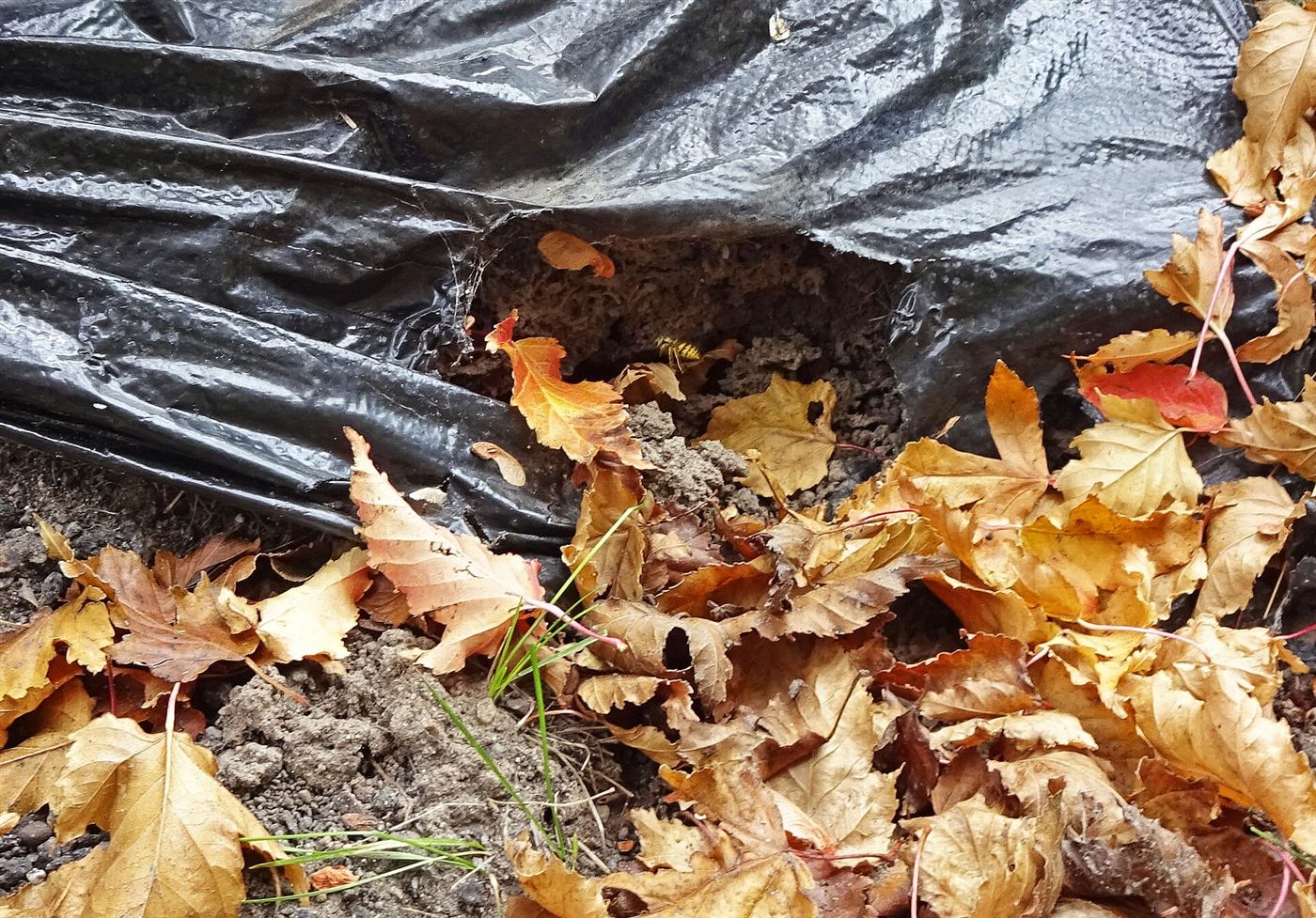
Wasp season in Edmonton runs from about May until the first hard frost in late September or October. Nests start small in spring, grow fast through June and July, and peak in mid-to-late August, which is when most Edmonton homeowners notice wasps and get stung.
Edmonton's short, warm summers compress the whole wasp life cycle into a few months. A single queen that survived the winter starts a nest in spring; by late summer that nest can hold thousands of workers. That's why a problem that was easy in June becomes a real hazard on the deck in August.
Edmonton wasp calendar, month by month
In Edmonton, queens emerge in spring, small paper nests appear in May and June, colonies grow rapidly in July, yellowjackets peak in mid-to-late August, wasps are most aggressive into September, and the first hard frost ends the season.
| Month | What wasps are doing | What to do |
|---|---|---|
| April–May | Queens wake from winter shelter and start building golf-ball-sized paper nests | Watch soffits, eaves, sheds and fence corners. Small nests are the easiest to deal with. |
| June | First workers hatch; nests grow to tennis-ball size or larger | The best time to remove a nest: few wasps, low risk, lower cost |
| July | Colonies expand quickly, often doubling in size | Don't let a nest by a doorway, deck or play area wait |
| August | Peak yellowjacket numbers; nests at full size; wasps scavenge food and drinks | Keep lids on garbage, cover drinks outside, avoid disturbing nests and call for removal |
| September | Colonies start to decline but wasps are still defensive and drawn to sweet food | Nests near traffic still worth removing; others can wait for frost |
| October–March | After the first hard frost the workers die; mated queens overwinter in sheltered spots | Empty nests can be knocked down; seal gaps in soffits and siding before spring |
Timing shifts year to year with Edmonton's weather. A warm spring brings nests earlier, and a late frost stretches the season.
Which stinging insects are you dealing with?
Most stinging-insect problems around Edmonton homes are yellowjackets, followed by bald-faced hornets and paper wasps. Honeybees and bumblebees look similar at a glance but are fuzzy, calmer and important pollinators. Don't kill them; contact a local beekeeper about a swarm.
Yellowjackets
Small, shiny, bright yellow and black. They nest in the ground, under decks, in wall voids and in soffits, usually with a hidden entrance hole. They're the wasps that crash picnics and garbage in August and the most likely to sting in numbers.
Bald-faced hornets
Black and white, larger than yellowjackets. They build big grey football-shaped paper nests in trees, shrubs and under eaves. They're very defensive close to the nest.
Paper wasps
Longer legs that dangle in flight. They build open, umbrella-shaped comb nests under eaves, railings and deck boards. They're less aggressive than yellowjackets but will sting if the nest is bumped.
Honeybees and bumblebees
Fuzzy, rounder and more golden-brown. They focus on flowers, not your food. Leave them be. For a honeybee swarm or hive in a structure, contact a local beekeeper about relocation.
Where do wasps build nests around Edmonton homes?
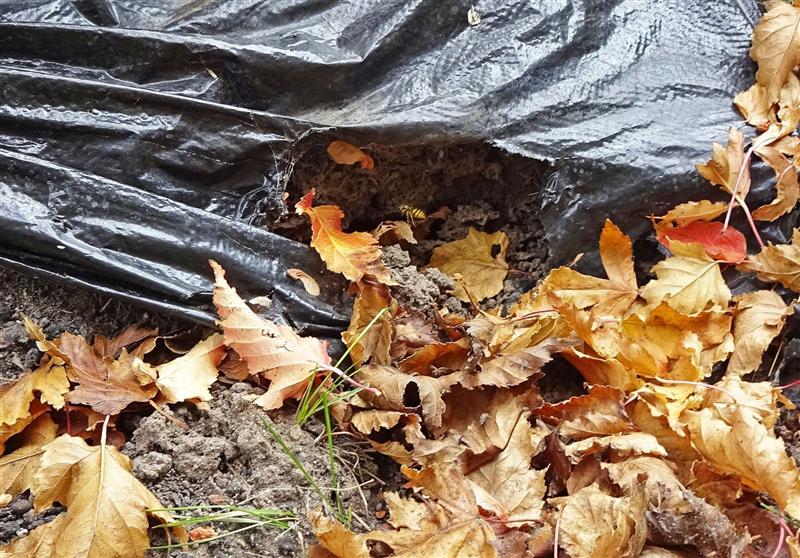
Around Edmonton homes, wasps build nests under soffits and eaves, inside wall voids behind siding, in holes in the lawn and garden beds, under decks and steps, in sheds and garages, and in shrubs and trees. Look for a steady stream of wasps flying in and out of one spot.
- Soffits and eaves: the most common spot on Edmonton houses, especially where a soffit panel has a gap.
- Wall voids: wasps disappearing into a gap in siding, a vent or around a light fixture often means a nest inside the wall.
- Ground nests: yellowjackets use abandoned rodent burrows in lawns and gardens, a common surprise when mowing.
- Decks, sheds and playhouses: sheltered undersides and corners.
- Trees and shrubs: bald-faced hornets' large grey nests, often noticed when the leaves drop.
Never plug a wall-void entrance. Blocking the hole can force wasps to chew through drywall or find another way out, sometimes into your living space. Treat the nest first; seal the gap only after all activity has stopped.
How to get rid of a wasp nest safely
A small, visible nest away from doors can sometimes be handled with a store-bought wasp product, used in the evening when wasps are inside, following the label exactly. Large nests, nests in walls, soffits or the ground, nests above head height, and anyone with a sting allergy are jobs for a professional.
- Identify it firstMake sure it's wasps, not bees, and find the actual entrance from a safe distance.
- Check the riskAnyone in the home allergic to stings, a nest near a doorway or play area, or a nest you can't reach from the ground means it's time to call a pro.
- Work in the eveningWasps are less active and mostly inside the nest after dusk. Wear long sleeves, long pants and gloves.
- Never spray from a ladderA cloud of angry wasps and a ladder is how people get hurt. High nests need professional equipment.
- Don't burn, flood or knock down an active nestThese approaches tend to scatter wasps and cause multiple stings without destroying the colony.
- Seal up after the seasonOnce the nest is dead, close soffit gaps and siding holes so next year's queens can't use the same spot.
When should you call a professional for wasps?
Call a professional for nests inside walls, soffits or the ground, nests larger than a softball, nests above head height, nests near doors, decks or play areas, or if anyone in the household is allergic to stings. Professionals have the protective gear and tools to treat the nest at its source.
Alberta Pest Services removes wasp and hornet nests across Edmonton and nearby communities like Sherwood Park, where acreages and tree-lined yards see plenty of hornet nests, and St. Albert, where the Red Willow Park trail system and river valley bring wasps close to backyards. See how a removal works on our wasp nest removal in Edmonton page, and check typical costs in the Edmonton pest control price guide.
Call (780) 262-3335 and tell us where the nest is and roughly how big it looks. A photo from a safe distance helps us give you a quick price range.
Written and reviewed by the Alberta Pest Services team in Edmonton · Last updated October 2026
Frequently asked questions
When is wasp season in Edmonton?
Wasp season in Edmonton runs roughly from May to the first hard frost, usually in late September or October. Queens start new nests in spring, colonies grow through June and July, and the City of Edmonton notes that yellowjacket populations peak in mid-to-late August, when wasps are most noticeable around patios and garbage.
When are wasps most aggressive?
Wasps are most aggressive in late summer and early fall. By August the nests are at full size, the colony is defending a large investment, and workers switch to scavenging sugary food and meat, which brings them to patios, picnics and garbage bins. Disturbing a nest at this time is when most multiple stings happen.
Is it better to remove a wasp nest early?
Yes. A nest started by a queen in May or June may be the size of a golf ball with only a few wasps, so it's quicker, cheaper and less risky to deal with. By August the same nest can hold thousands of wasps. If you see wasps going in and out of one spot in early summer, act early.
Do wasps reuse old nests in Edmonton?
No. The colony dies off after the first hard frost, and only newly mated queens survive the winter, hiding in sheltered spots. They start brand-new nests in spring rather than reusing old ones. An empty grey paper nest in winter is safe to remove, though queens may build nearby in similar sheltered spots.
Should I kill bees as well as wasps?
No. Honeybees and bumblebees are important pollinators and are much less aggressive than yellowjackets. If you have a honeybee swarm or hive, contact a local beekeeper or beekeeping association about relocation. Wasps are smooth and shiny with bright yellow and black markings; bees are fuzzy and rounder.
Can I plug the hole of a wasp nest in my wall?
Don't. If wasps are nesting inside a wall void or soffit, plugging the entrance can force them to chew through drywall or find another way out, sometimes into your home. Wall-void nests should be treated at the entrance first, then sealed once activity has stopped.
Related
“Dealt with my infestation quickly and professionally.”