
Bed bugs guide
Bed Bugs in Edmonton: Signs and What to Do First
Found a small brown bug on your mattress, or woke up with itchy bites in a line? This guide explains how to confirm bed bugs, where they hide in Edmonton homes and apartments, what to do in the first 24 hours, and when it's time to call a professional.
5.0 from 100 Google reviews (as of October 2026) · Local Edmonton team
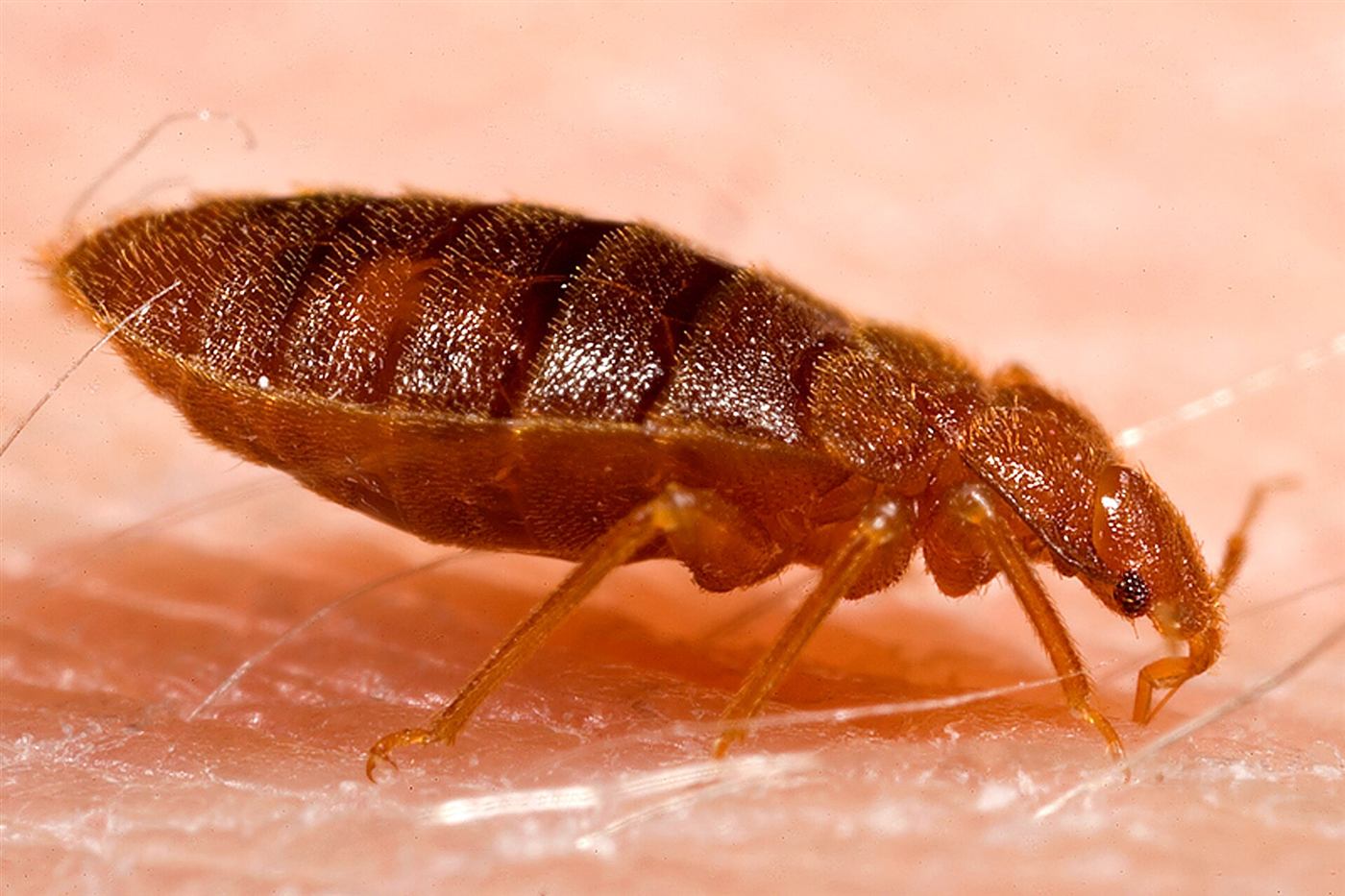
What do bed bugs look like?
Adult bed bugs are flat, oval and reddish-brown, about 5 mm long, roughly the size of an apple seed. After feeding they swell and look darker and more elongated. Young bed bugs (nymphs) are smaller and pale, almost see-through, and eggs are tiny, pearly white and about 1 mm long.
Bed bugs have no wings and can't jump. They crawl, and they're faster than most people expect. In daylight they hide in seams, cracks and gaps close to where people sleep or sit, then come out at night to feed. That's why many Edmonton residents only notice them after weeks of unexplained bites or after spotting one crawling on a pillow early in the morning.
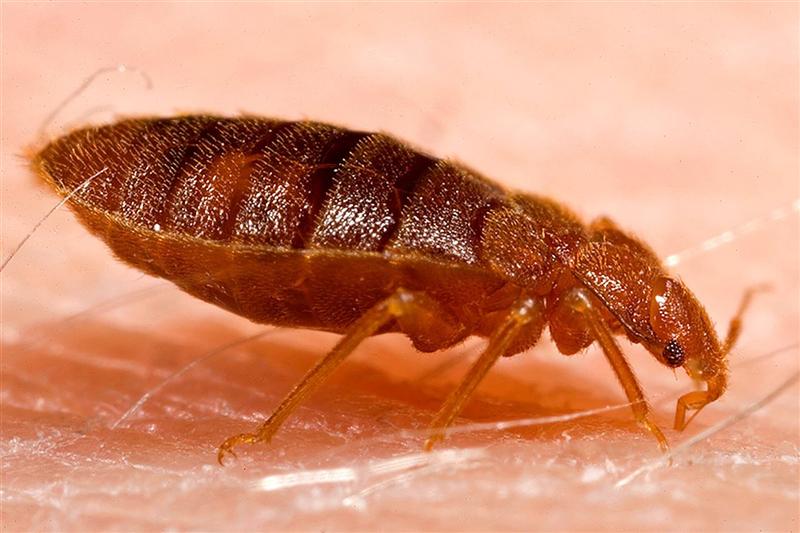
Things often mistaken for bed bugs include carpet beetle larvae, spider beetles, booklice and young cockroaches. If you're not sure what you've found, put it in a sealed bag or on clear tape and take a sharp photo. That makes it much easier to identify, either by us or by a professional you trust.
What are the signs of bed bugs in your bed?
The reliable signs of bed bugs in a bed are live bugs, black fecal spots along mattress seams, small rust-coloured blood stains on sheets, pale shed skins and tiny white eggs. Bites alone are not proof, because many people don't react and other things cause similar marks.
- Fecal spots: small black or dark-brown dots, like a felt-tip pen mark, that smear when wiped with a damp cloth. Look along mattress seams, piping and labels.
- Blood smears: tiny rust-red spots on sheets or pillowcases where a bug was crushed after feeding.
- Shed skins: pale, empty bug-shaped shells left behind as nymphs grow.
- Eggs: white, about 1 mm, often in clusters tucked into fabric folds or wood cracks.
- Live bugs: check at night or first thing in the morning with a flashlight.
- A musty, sweet odour in heavier infestations.
Bed bug bites: what they look like and how to treat them
Bed bug bites are usually itchy red bumps or welts, often in a line or small cluster on skin exposed during sleep. Health Canada notes that bed bugs aren't known to spread disease and bites usually don't need medical treatment. Keep the bites clean, try not to scratch, and ask a pharmacist about anti-itch options.
Bites tend to appear on the arms, shoulders, neck, face and legs. Reactions vary widely: some people get large welts, some get nothing at all, and Health Canada says bites can take up to 14 days to show. The same marks can also look like mosquito, flea or spider bites, carpet beetle irritation or an allergic reaction. Use bites as a reason to inspect, then confirm with the physical evidence above.
Treating bed bug bites at home
- Wash the area gently with soap and water.
- Don't scratch. Scratching breaks the skin and is the main way bites get infected.
- Ease the itch with a cool compress. A pharmacist can recommend an anti-itch cream or an antihistamine that suits you.
- Watch for infection: spreading redness, warmth, swelling or pus are reasons to see a doctor.
If bites are severe, infected or come with a reaction that worries you, talk to a pharmacist or doctor, or call Health Link at 811 in Alberta. This is general information, not medical advice.
The only real cure for bed bug bites is getting rid of the bed bugs. Treating the bites eases the itch, but new bites will keep appearing until the infestation is treated. Living with bed bugs (Health Canada spells it "bedbugs") can also cause stress and poor sleep, which is worth mentioning to a health professional.
Where do bed bugs hide in Edmonton homes and apartments?
Bed bugs hide within a few metres of where people sleep or sit: mattress seams, box spring corners, bed frames, headboards, nightstands, couch cushions, baseboards and electrical outlets. In apartments and condos they can also move along shared walls, pipes and hallways into neighbouring suites.
In the bedroom
- Mattress and box spring seams, piping and tags
- Bed frame joints and screw holes
- Behind the headboard and picture frames
- Nightstand drawers and joints
- Baseboard gaps, carpet edges and outlet covers
Elsewhere in the home
- Couch and recliner seams and under cushions
- Upholstered chairs people nap in
- Luggage, backpacks and storage bins
- Clutter piles near beds and couches
- In multi-unit buildings: wall voids, pipe chases and hallways
Edmonton's apartment towers, walk-ups and student rentals see bed bugs year-round, because bugs travel between suites and new residents move in regularly. Single-family homes usually get them from travel, a guest, or a second-hand mattress, couch or bed frame. If you live in a building and find bed bugs, tell building management quickly. Treating one suite while the neighbours stay infested rarely works for long.
How do bed bugs spread?
Bed bugs spread by hitchhiking on people's belongings: luggage after a trip, second-hand furniture and mattresses, visitors' bags, and moving boxes. In multi-unit buildings they also crawl between suites through shared walls, pipes and hallways. They are not a sign of a dirty home.
- Travel: hotels, short-term rentals, buses and flights. Inspect the room and keep luggage off the bed and floor.
- Used furniture: be very cautious with second-hand mattresses, bed frames and upholstered couches, especially items left by a dumpster or curb.
- Guests and moves: a friend's bag, a moving truck or boxes from an infested building.
- Neighbouring units: in condos and apartments, an untreated suite next door can keep re-introducing bugs.
What should you do first if you find bed bugs?
Don't panic and don't move rooms. Confirm what you've found, contain your bedding and clothes, run fabrics through a hot dryer, avoid foggers, and get a professional inspection. Acting in the first few days keeps the infestation small and the treatment cheaper.
- Confirm itCapture a bug on clear tape or in a sealed bag, and photograph any spots on the mattress seams. Our pest inspection service can confirm bed bugs if you're unsure.
- Keep sleeping in the same bedMoving to the couch or a spare room usually spreads bed bugs to a second room.
- Bag and heat your fabricsStrip the bed into a sealed plastic bag, carry it straight to the laundry, and dry on the highest heat for at least 30 minutes. Washing alone won't reliably kill all stages; the dryer heat does the work.
- Reduce clutter, don't scatter itBag loose items near the bed so there are fewer hiding spots, but don't move furniture or belongings out to other rooms, a garage or a friend's place.
- Skip foggers and bug bombsThey don't reach the bugs in seams and cracks, and they can push bed bugs into walls and neighbouring units.
- Tell your landlord or building managerIf you rent, report it in writing right away so the building can be inspected.
Can you get rid of bed bugs yourself?
You can slow bed bugs down yourself with hot laundry, vacuuming, mattress encasements and clutter control, but very small or very recent cases are the only ones DIY tends to fully solve. Most established infestations need professional treatment, because eggs and hidden bugs survive store-bought sprays.
Helpful steps you can take:
- Vacuum mattress seams, bed frames, baseboards and couch seams. Empty the vacuum into a sealed bag and put it in an outdoor bin right away.
- Fit zippered bed bug encasements on the mattress and box spring to trap any bugs inside and make new activity easier to spot.
- Pull the bed a few centimetres away from the wall, and keep bedding from touching the floor.
- Keep drying fabrics on high heat as you use them.
Where DIY usually falls short: bugs hidden in wall voids, outlets and furniture joints; eggs that hatch after a surface spray dries; and multi-unit buildings where neighbouring suites re-infest you. Store-bought sprays and foggers can also make a problem worse by spreading it. If you're still seeing evidence after one to two weeks, call a professional.
Heat treatment vs chemical treatment for bed bugs
Professional bed bug treatment in Edmonton is usually done with heat, with targeted products registered with Health Canada's PMRA, or with a combination. Heat can treat a room in one visit but costs more upfront; product-based treatments usually need a follow-up visit to catch newly hatched bugs.
| Approach | How it works | Things to know |
|---|---|---|
| Heat treatment | The room and its contents are heated to a temperature that kills all life stages, including eggs | Often fewer visits, higher upfront cost, some heat-sensitive items must be removed first |
| Targeted product treatment | PMRA-registered products are applied to seams, cracks, frames and voids where bed bugs hide, according to the label | Usually needs a follow-up visit about two weeks later as eggs hatch, often lower cost |
| Combined approach | Heat or steam on furniture and beds, plus targeted products in cracks and voids | Common for heavier infestations and multi-unit buildings |
The right choice depends on the size of the infestation, the type of building and whether neighbouring units are affected. We'll explain the options that fit your situation, what each involves, and what you'll need to prepare. See our bed bug treatment in Edmonton page for how we handle a job, and the Edmonton pest control price guide for typical cost ranges.
Bed bugs in Alberta rentals: tenants and landlords
If you rent in Alberta and suspect bed bugs, report it to your landlord in writing as soon as possible and cooperate with inspection and treatment prep. Landlords are generally responsible for keeping rental units fit to live in. This is general information, not legal advice.
Responsibility for the cost can depend on the lease, how the bugs arrived and whether neighbouring units are involved. For a specific situation, check Alberta's Residential Tenancies Act or contact the Residential Tenancy Dispute Resolution Service (RTDRS). Property managers with several buildings across Edmonton, St. Albert or Sherwood Park can also ask about our multi-unit and commercial pest control.
How to prepare for bed bug treatment
Good preparation makes bed bug treatment work. You'll usually need to launder and dry bedding and clothes on high heat, bag clean items, reduce clutter, and give the technician access to beds, baseboards and furniture. We give you a written prep list for your specific treatment.
- Wash and dry all bedding, curtains and clothing from affected rooms on high heat; store clean items in sealed bags.
- Empty nightstands and dresser drawers near the bed into sealed bags.
- Pull beds and couches away from walls so all sides can be treated.
- Vacuum floors and furniture seams, then dispose of the vacuum contents outside.
- Keep pets and children out of treated areas for the time we advise.
- Don't throw out furniture until we've looked at it. Many items can be treated, and dragging infested furniture through hallways spreads bugs.
When should you call a bed bug exterminator?
Call a professional as soon as you've confirmed bed bugs, or if you keep finding bites and spots after a week or two of DIY effort. Early treatment is faster and cheaper, and in apartments it helps stop the spread to neighbours.
Alberta Pest Services handles bed bugs across Edmonton and the surrounding area, including St. Albert and Sherwood Park. Call (780) 262-3335 with a photo of what you've found. We'll tell you whether it looks like bed bugs, what the next step is, and a price range before any work starts.
Written and reviewed by the Alberta Pest Services team in Edmonton · Last updated October 2026
Frequently asked questions
How do I know if I have bed bugs?
Look for physical evidence, not just bites. The clearest signs are live bugs about the size of an apple seed, small black fecal spots along mattress seams, tiny rust-coloured blood stains on sheets, and pale shed skins. Check seams, piping, box spring corners and the headboard with a flashlight.
Can bed bug bites alone confirm an infestation?
No. Many people don't react to bed bug bites at all, and other insects, allergies and skin conditions cause similar marks. Bites that appear in rows or clusters overnight are a reason to inspect, but you need to find bugs, eggs, shed skins or fecal spots to confirm bed bugs.
How do you treat bed bug bites?
Most bed bug bites heal on their own in a week or two. Wash them with soap and water, avoid scratching, and use a cool compress; a pharmacist can suggest an anti-itch cream or antihistamine. See a doctor or call Health Link at 811 if bites look infected or you have a strong reaction. The bites will keep coming until the bed bugs are treated.
Should I sleep in another room if I have bed bugs?
It's better not to. Bed bugs follow people, so moving to a couch or another bedroom often spreads them to a second room and makes treatment harder and more expensive. Keep sleeping in the same bed, reduce clutter, and get the infestation confirmed and treated.
Do bug bombs or foggers work on bed bugs?
Foggers are a poor choice for bed bugs. The bugs hide deep in seams, cracks, outlets and furniture where the fog doesn't reach, and the spray can drive them into walls and neighbouring units. Professional treatment targets the hiding spots directly.
Can bed bugs survive Edmonton winters?
Yes. Bed bugs live indoors with people, so outdoor cold doesn't affect them. Edmonton bed bug problems happen year-round, especially in apartments and condos where bugs can travel between units through shared walls and hallways.
Who pays for bed bug treatment in an Alberta rental?
It depends on the situation and the lease. In general, tenants should report bed bugs to the landlord in writing as soon as they suspect them, and landlords are responsible for keeping rentals in a habitable condition. For your specific case, check the Residential Tenancies Act or contact the RTDRS. This is general information, not legal advice.
Related
“Dealt with my infestation quickly and professionally.”