
Silverfish guide
Silverfish in the House: An Edmonton Guide
Finding silverfish in the bathroom, basement or a box of old books? Silverfish are harmless to people, but they're a sign of moisture and they damage paper and fabric. This guide explains why they show up in Edmonton homes, how to spot them, and how to get rid of silverfish.
5.0 from 100 Google reviews (as of October 2026) · Local Edmonton team
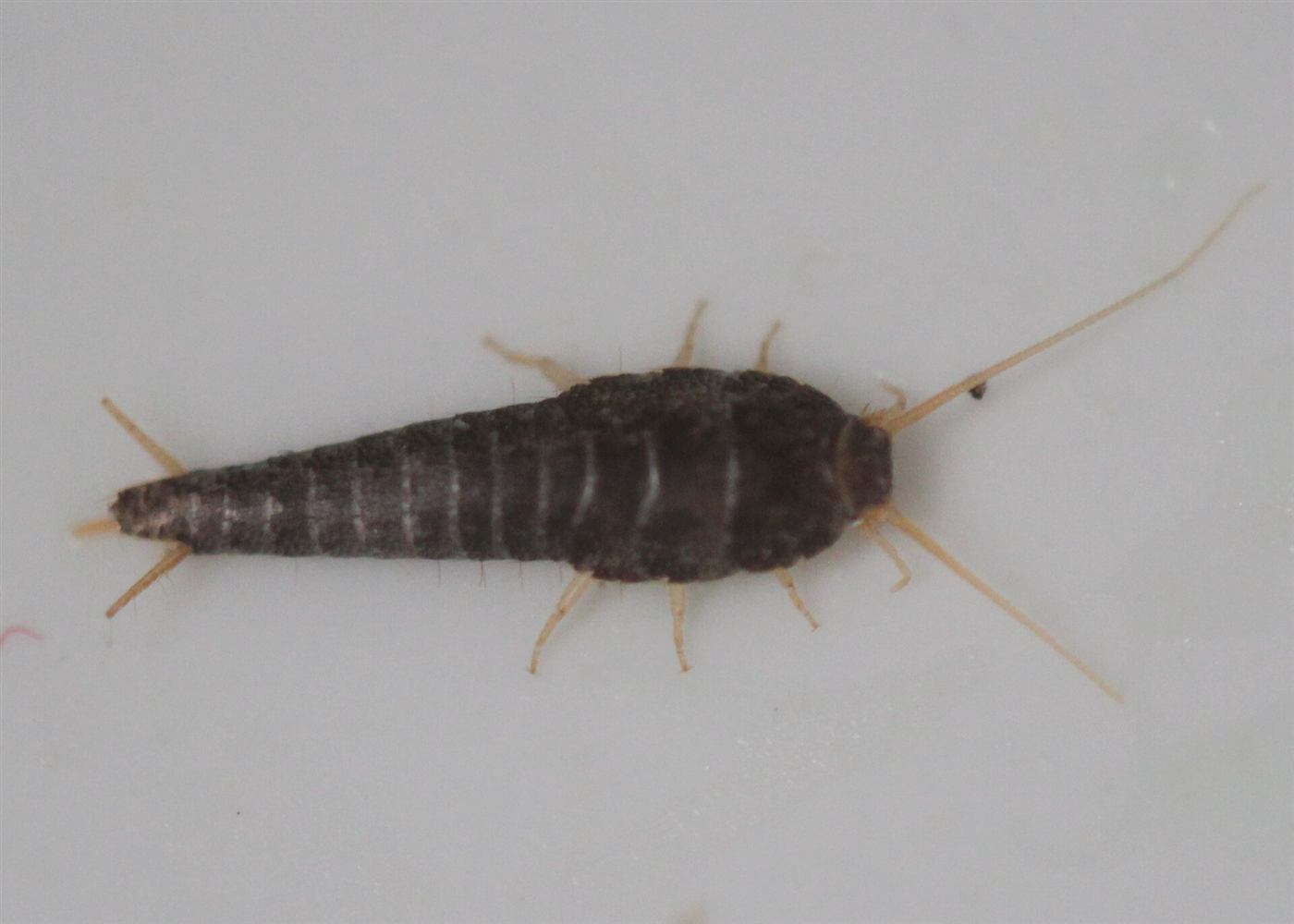
What are silverfish?
Silverfish are small, wingless insects about 1 to 2 cm long, with silvery-grey scales, a carrot-shaped body and three long tail bristles. They're active at night, move quickly in a wiggling, fish-like way, and live in damp, dark spots inside homes, feeding on starches, paper, glue and fabric.
The common silverfish has been living alongside people for centuries. In recent years, a larger species often called the gray silverfish has increasingly been reported in Canadian homes, including newer buildings. It looks similar but is a little bigger and greyer, and it tolerates drier conditions than the common silverfish. Either way, how you deal with them is the same.
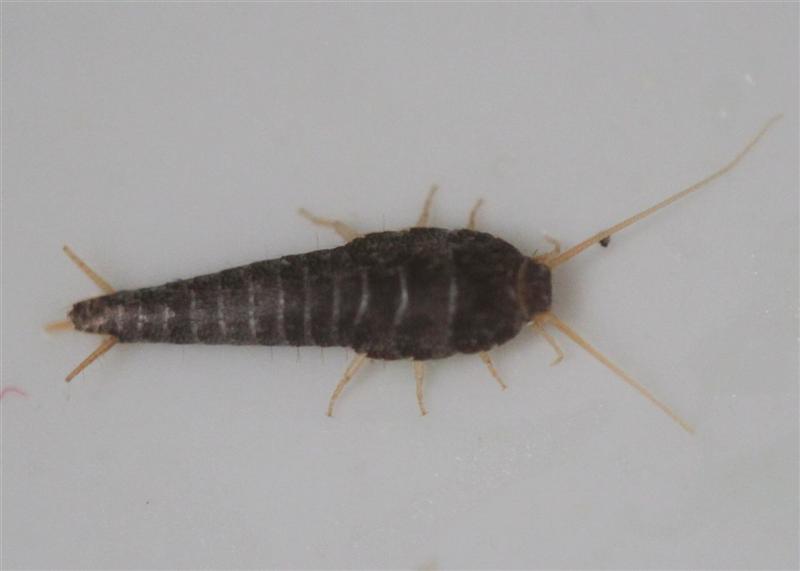
People search for "silverfish insect" because they've seen something fast and silvery dart under a baseboard and want to know what it is. If it has three tails and no wings, and you found it in a bathroom, basement or storage area, it's almost certainly a silverfish or one of its close relatives.
Why do Edmonton homes get silverfish when the climate is so dry?
Edmonton's outdoor air is dry, but silverfish live in the pockets of humidity inside the house: basements, bathrooms, laundry rooms and new-build walls that are still drying out. Cardboard boxes, old books and stored paper give them food and cover right next to that moisture.
Most silverfish problems we hear about in the Edmonton area trace back to a handful of conditions:
- Basements: cool concrete, a sump pit, a slow leak at the water heater or a damp corner, plus boxes stored against the walls.
- Bathrooms: daily showers, an exhaust fan that's undersized or never used, and gaps around the tub, toilet and baseboards.
- New builds: newer homes and condos can hold extra moisture in framing and drywall for the first year or two, especially in finished basements.
- Storage: cardboard boxes, paper files, books and photos are both food and shelter. Silverfish often arrive in boxes during a move.
- Multi-unit buildings: shared plumbing chases and wall voids let silverfish move between suites in apartments and condos.
Winter makes them more noticeable. When the furnace is running and humidifiers are on, silverfish gather in the few spots that stay damp, which is often the bathroom you use every morning.
What are the signs of silverfish in the house?
Besides seeing the insects themselves at night, the main signs of silverfish are small irregular holes or surface grazing on paper, book bindings, wallpaper and fabric, tiny yellowish stains, shed scales or skins in drawers and boxes, and pepper-like droppings in undisturbed spots.
- Live insects in tubs, sinks and along baseboards, usually found when you switch the light on at night.
- Feeding damage on paper, cardboard, book spines, wallpaper (they like the glue), photos and starched or natural-fibre fabrics.
- Yellowish stains on paper or fabric where they've been feeding.
- Shed skins and scales: silverfish moult throughout their lives and leave behind tiny translucent skins and silvery scales.
- Small droppings that look like specks of pepper in drawers, cupboards and storage boxes.
Silverfish, firebrats and booklice compared
| Insect | What it looks like | Where you find it |
|---|---|---|
| Silverfish | Silvery-grey, scaled, carrot-shaped body, three tail bristles, about 1–2 cm | Cool, damp areas: basements, bathrooms, storage boxes |
| Firebrats | Similar shape to silverfish but mottled brown-grey, three tail bristles | Warm, humid areas: near furnaces, water heaters, dryer vents |
| Booklice | Tiny (1–2 mm), pale, soft-bodied, no tail bristles | Damp paper, books, cardboard and stored food packaging |
All three point to the same underlying problem: moisture. If the insect you're seeing has six legs, a narrow waist and no tail bristles, it may be something else entirely. Our house bugs guide covers house centipedes and carpet beetles, and our spider control page covers spiders.
Are silverfish harmful?
Silverfish are not harmful to people or pets. They don't bite, sting or carry disease. The problems are damage to paper, books, photos, wallpaper and some fabrics, the unpleasant surprise of seeing them, and what they reveal: a moisture problem that can also lead to mould.
For most households the real concern is stored items. Family photos, documents, book collections and anything kept in cardboard in the basement are at risk if a population builds up over months. For businesses, silverfish in a stockroom or archive can damage paper goods and packaging.
How do you get rid of silverfish?
To get rid of silverfish, take away the moisture and hiding places they depend on: lower humidity to around 40–50 percent, fix leaks, ventilate bathrooms, swap cardboard for sealed plastic bins, seal cracks and gaps, and use sticky traps to monitor progress.
- Measure and lower humidityPut a hygrometer in the basement and bathroom. Run a dehumidifier to keep relative humidity around 40 to 50 percent, and empty or drain it regularly.
- Fix the water sourcesRepair dripping taps, sweating pipes, leaks at the water heater or washer, and any seepage in basement walls or floors. Drain the sump pit if it holds standing water.
- Ventilate the bathroomRun the exhaust fan during every shower and for 20 to 30 minutes afterwards. If the fan doesn't move much air, it may need cleaning or replacing.
- Clear out cardboard and paperMove stored items into sealed plastic bins, recycle old newspapers and boxes, and keep stored items off the floor and away from walls.
- Seal cracks and gapsCaulk gaps along baseboards, around tubs, sinks and pipes, and in trim. This removes daytime hiding spots and stops movement through walls.
- Vacuum and monitorVacuum baseboards, closets and shelves to remove eggs, scales and food crumbs, then place sticky traps in problem spots to see whether numbers are dropping.
Tip: Sticky traps are best for monitoring, not elimination. If you're still catching several silverfish a week after fixing moisture and clutter, there's a population hiding in the walls or under flooring that needs a targeted treatment.
When should you call a professional for silverfish?
Call a professional when silverfish keep coming back after you've fixed humidity and clutter, when you see them in several rooms, when stored items are being damaged, or when you're in an apartment or condo where they can travel between suites through shared walls and plumbing.
A professional visit for silverfish usually involves:
- Inspection: finding where they're hiding and where the moisture is coming from, including the spots that are hard to reach yourself.
- Moisture advice: pointing out leaks, ventilation problems and storage habits that keep the problem going.
- Targeted crack-and-crevice treatment: applying products registered with Health Canada's PMRA, according to the label, into wall voids, baseboard gaps and plumbing penetrations rather than spraying open surfaces.
- Follow-up guidance: what to change at home so they don't build back up.
See our silverfish control service in Edmonton for how we handle it, or check typical Edmonton pest control prices. We also cover nearby communities, including St. Albert and Sherwood Park. For more do-it-yourself help, browse our other Edmonton pest guides.
Written and reviewed by the Alberta Pest Services team in Edmonton · Last updated October 2026
Frequently asked questions
Are silverfish dangerous?
No. Silverfish don't bite, sting or spread disease to people or pets. They're a nuisance and they can damage paper, book bindings, cardboard, wallpaper glue and some fabrics. A steady population is mostly a sign that part of the home is too humid, which is worth fixing for other reasons too.
Why do I have silverfish in my bathroom?
Bathrooms are the most humid rooms in most Edmonton homes. Showers, a weak or unused exhaust fan, and gaps around the tub, baseboards or plumbing give silverfish the moisture and hiding spots they need. Running the fan for 20 to 30 minutes after each shower and sealing gaps usually makes a big difference.
Does one silverfish mean an infestation?
Not necessarily. An occasional silverfish in a bathroom or basement is common, even in clean homes. If you see them often, find several in different rooms, or notice feeding damage on paper or stored items, there's likely an established population nearby, usually tied to a moisture source.
What humidity keeps silverfish away?
Silverfish thrive in high humidity and struggle in drier air. Keeping basements and bathrooms at roughly 40 to 50 percent relative humidity with a dehumidifier, good ventilation and repaired leaks makes the home far less suitable for them. A cheap hygrometer helps you check the real numbers.
Are silverfish and firebrats the same?
They're closely related but prefer different conditions. Silverfish like cool, damp spots such as basements and bathrooms, while firebrats prefer warm, humid areas near furnaces, water heaters and dryer vents. Both are controlled the same way: reduce moisture, remove clutter and food sources, and seal the cracks they hide in.
When should I call a professional for silverfish?
Call a professional if silverfish keep appearing after you've lowered humidity and cleared clutter, if you're seeing them in several rooms, or if you live in a multi-unit building where they may be travelling between suites. A technician can find the moisture source and treat the hiding spots directly.
Related
“Fast, effective, and professional pest control service.”